مهند محمود شوقي
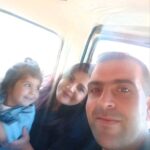
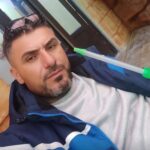
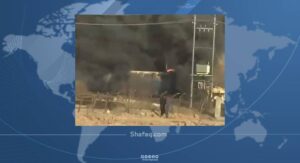
لم تكن الليلة مختلفة عن غيرها في ذلك البيت الهادئ، حيث كانت عائلة صغيرة تعيش تفاصيلها البسيطة بعيدًا عن ضجيج السياسة والحروب. موسى وزوجته مژده لم يكونا أكثر من أبٍ وأمٍ يحاولان تأمين حياة كريمة لطفلتيهما. لكن في لحظة، وفي عمق الليل، تحوّل ذلك البيت إلى هدف، وتحولت الحياة إلى مأساة.
قصفٌ واحد كان كافيًا لينهي كل شيء. استُشهِد موسى ومژده، وتركَا خلفهما طفلتين بلا حول ولا قوة، تواجهان العالم فجأة بلا دفء العائلة ولا أمان البيت. لم يكونا طرفًا في نزاع، ولم يكن منزلهما موقعًا عسكريًا، بل كانا مجرد مدنيين… وهذا وحده كان كافيًا ليكونا ضحية.
هذه الحادثة ليست استثناءً، بل حلقة في سلسلة طويلة من الاستهداف الذي طال إقليم كوردستان خلال السنوات الماضية، وتصاعد بشكل خطير في الفترة الأخيرة. فالإقليم يتعرض لهجمات متكررة تطال مناطقه المدنية والخدمية، عبر القصف المباشر والطائرات المسيّرة، في نمط بات شبه يومي، لا يفرّق بين مدينة وقرية، ولا بين هدف عسكري ومنزل بسيط.
وقبل عامين فقط، تكررت المأساة بصورة لا تقل فداحة، حين استُهدف منزل رجل الأعمال الكوردي بيشوا دزئيي، ما أدى إلى استشهاده مع ابنته ژينة، دون أي ذنب يُذكر. لم يكن ذلك الهجوم معزولًا، بل شكّل آنذاك صدمة واسعة، ورسالة واضحة بأن المدنيين—بمختلف مواقعهم—قد أصبحوا أهدافًا مفتوحة.
ولعل تكرار هذه الحوادث، من استهداف عائلة موسى ومژده يوم أمس، إلى حادثة بيشوا دزئيي وابنته قبل عامين، وصولًا إلى عشرات الضحايا الآخرين، يؤكد أن ما يحدث ليس خطأً عابرًا أو حادثًا عرضيًا، بل نمطٌ مستمر من الضربات التي تصيب المدنيين بشكل مباشر أو غير مباشر، في ظل غياب أي مساءلة حقيقية.
ما يجعل هذه الهجمات أكثر قسوة هو أنها تصيب الأبرياء في أكثر لحظاتهم ضعفًا: في بيوتهم، وبين عائلاتهم، وفي ساعات يفترض أنها الأكثر أمانًا. لا إنذار، لا مبرر، ولا أي اعتبار لكون الضحايا خارج أي معادلة صراع.
وهنا تفرض الأسئلة نفسها بإلحاح:
إلى متى يستمر هذا الصمت الدولي على ما يحدث في كوردستان؟
وأين دور الحكومة العراقية إزاء هذا الاستهداف المتكرر لمواطنيها؟
وهل أصبحت كوردستان طرفًا في حرب لا علاقة لها بها أصلًا؟
ويبدو أن أحد أسباب هذا الاستهداف هو أن إقليم كوردستان اختار أن يحافظ على قدر من الحياد، وألا ينخرط بشكل كامل في محاور الصراع. لكنه، بدل أن يُحترم هذا الموقف، أصبح هدفًا سهلًا في حسابات القوى التي ترى في غياب الرد فرصة مفتوحة للاستمرار.
لكن المسألة لا تقف عند حدود السياسة، بل تمتد إلى جوهر الأخلاق. كيف يمكن تبرير قتل مدنيين أبرياء؟ وأين هي القيم—الدينية والإنسانية—من استهداف عائلات نائمة في بيوتها؟ إن إرسال طائرات مسيّرة محمّلة بالمتفجرات لتقطع مئات الكيلومترات وتصيب منزلًا مدنيًا، ليس عملًا يمكن تبريره بأي خطاب، بل هو انتهاك صارخ لكل ما يُفترض أن يضبط الحروب.
وإذا كانت بعض الأطراف في العراق ترفع شعارات المظلومية أو الدفاع عن العقيدة، فإن أول اختبار حقيقي لتلك الشعارات هو حماية المدنيين، لا تحويلهم إلى أهداف. فالقيم لا تُقاس بالكلمات، بل بالأفعال—وخاصة في أوقات الشدة.
ورغم فداحة ما يحدث، يبقى الصمت هو المشهد الأكثر حضورًا. صمت عراقي رسمي لا يرقى إلى مستوى المسؤولية، وصمت مجتمعي يكشف تناقضًا مؤلمًا. ففي الوقت الذي ترتفع فيه الأصوات دفاعًا عن قضايا خارج الحدود، وتُبذل الجهود لدعم أطراف إقليمية، يغيب هذا الصوت حين يكون الضحايا من أبناء كوردستان.
بل إن بعض الأصوات تتجاوز الصمت إلى التبرير أو حتى الفرح بما يحدث، في انحدار أخلاقي خطير، لا يهدد الضحايا وحدهم، بل يهدد فكرة الوطن نفسها. فالوطن لا يقوم على ازدواجية المعايير، ولا على تقسيم الدماء إلى ما يستحق الحزن وما يمكن تجاهله.
قصة موسى ومژده، كما قصة بيشوا دزئيي وابنته ژينة، ليستا مجرد حادثتين عابرتين، بل دليل واضح على واقع يتكرر بلا رادع، وضحايا يُتركون بلا صوت ولا عدالة.
وهذا ما يجعل ما يحدث في كوردستان اليوم أبعد من كونه أحداثًا متفرقة؛ إنه نمط مستمر من الاستهداف، يرافقه صمت يمنحه القدرة على الاستمرار.
الحقيقة المؤلمة أن دماء كوردستان تُهدر، والصمت يحيط بها من كل جانب. وهذا الصمت لم يعد حيادًا، بل تحوّل إلى شراكة غير مباشرة في استمرار الجريمة.
فحين يُقتل الأبرياء في بيوتهم، وتُترك طفلتان وحدهما تحت ثقل الفاجعة، لا تكون المأساة في القصف وحده… بل في كل من يرى ويصمت.
وهنا، لا يعود السؤال: من يقصف؟
بل: من يصمت… ولماذا؟
[en]
Kurdistan’s Blood Amidst Global Silence
By: Muhannad Mahmoud Shawqi
The night was no different from any other in that quiet house, where a small family lived out their simple lives far from the noise of politics and wars. Musa and his wife, Mozhda, were nothing more than a father and mother trying to secure a dignified life for their two young daughters. But in an instant, in the depth of the night, that home turned into a target, and life turned into a tragedy.
A single bombardment was enough to end everything. Musa and Mozhda were martyred, leaving behind two helpless girls who suddenly find themselves facing the world without the warmth of a family or the safety of a home. They were not party to any conflict, nor was their home a military site; they were merely civilians… and that alone was enough to make them victims.
This incident is not an exception, but rather a link in a long chain of targeting that has afflicted the Kurdistan Region over the past years, escalating dangerously in recent times. The Region is subjected to repeated attacks hitting its civilian and service areas through direct shelling and drones—a pattern that has become almost daily, failing to distinguish between city and village, or between a military objective and a simple home.
Only two years ago, a tragedy of no less magnitude occurred when the home of Kurdish businessman Peshraw Dizayee was targeted, leading to his martyrdom alongside his daughter, Zhina, for no conceivable sin. That attack was not isolated; it sent shockwaves across the region and delivered a clear message that civilians—regardless of their positions—had become open targets.
The recurrence of these incidents, from the targeting of Musa and Mozhda’s family yesterday to the tragedy of Peshraw Dizayee and his daughter two years ago, down to dozens of other victims, confirms that what is happening is not a passing error or an accidental mishap. Rather, it is a systematic pattern of strikes directly or indirectly hitting civilians in the total absence of real accountability.
What makes these attacks even more cruel is that they strike the innocent at their most vulnerable moments: in their homes, among their families, and during hours that are supposed to be the safest. No warning, no justification, and no consideration for the fact that the victims are entirely outside the equation of conflict.
Here, urgent questions force themselves upon us:
How long will this international silence regarding what is happening in Kurdistan continue?
Where is the role of the Iraqi government in the face of this repeated targeting of its citizens?
Has Kurdistan become a party to a war it has nothing to do with in the first place?
It seems that one of the reasons for this targeting is that the Kurdistan Region chose to maintain a degree of neutrality and refused to fully engage in the axes of conflict. However, instead of this position being respected, the Region has become an easy target in the calculations of powers that view the absence of a response as an open opportunity to persist.
Yet, the matter does not stop at the borders of politics; it extends to the very core of morality. How can the killing of innocent civilians be justified? Where are the values—religious and humanitarian—when it comes to targeting families sleeping in their homes? Sending explosive-laden drones hundreds of kilometers to strike a civilian residence is not an act that can be justified by any rhetoric; it is a flagrant violation of everything supposed to govern warfare.
If certain parties in Iraq raise slogans of “victimhood” or the defense of “faith,” the first true test of those slogans is the protection of civilians, not turning them into targets. Values are not measured by words, but by actions—especially in times of hardship.
Despite the gravity of what is happening, silence remains the most dominant scene. An official Iraqi silence that does not rise to the level of responsibility, and a societal silence that reveals a painful contradiction. While voices rise in defense of causes beyond the borders and efforts are exerted to support regional parties, these voices vanish when the victims are the people of Kurdistan.
In fact, some voices go beyond silence to justification or even celebrating what is happening, in a dangerous moral decline that threatens not only the victims but the very concept of the “homeland.” A homeland is not built on double standards, nor on dividing blood into that which deserves grief and that which can be ignored.
The story of Musa and Mozhda, like the story of Peshraw Dizayee and his daughter Zhina, are not merely two passing incidents. They are clear evidence of a reality that repeats without a deterrent, leaving victims without a voice or justice.
This is what makes what is happening in Kurdistan today more than just scattered events; it is a continuous pattern of targeting accompanied by a silence that grants it the power to persist.
The painful truth is that Kurdistan’s blood is being spilled, and silence surrounds it from every side. This silence is no longer neutrality; it has turned into an indirect partnership in the continuation of the crime.
For when innocents are killed in their homes, and two young girls are left alone under the weight of catastrophe, the tragedy lies not only in the bombardment… but in everyone who sees and remains silent.
The question here is no longer: Who is bombing?
But rather: Who is silent… and why?
الآراء الواردة في المقالات لا تعكس بالضرورة رأي صحيفة كورد أونلاين
رابط مختصر للمقالة: https://kurd-online.com/?p=85445
مقالات قد تهمك